A home for the people building Brixton.
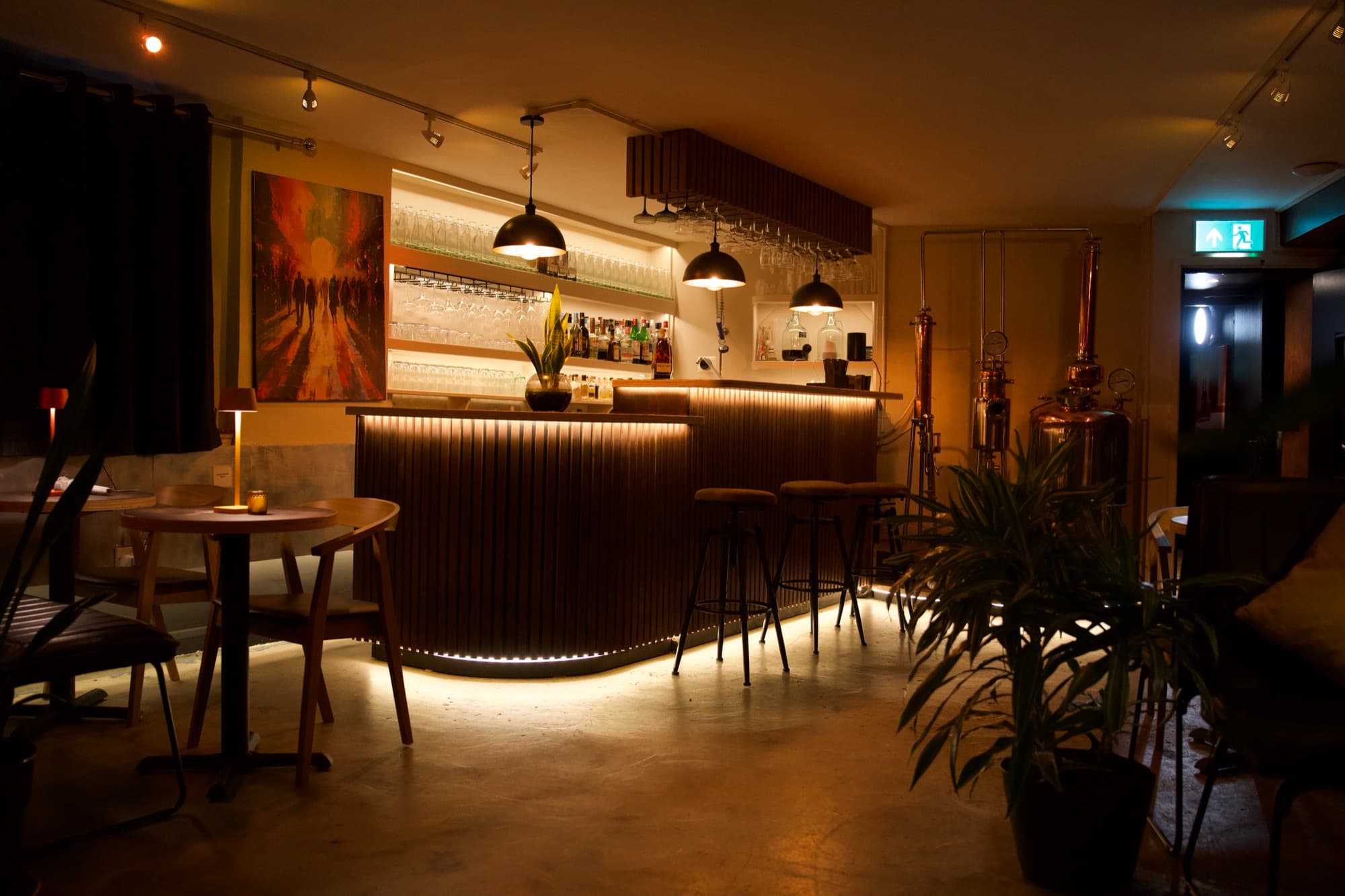
A members bar and working distillery in Brixton Village. We publish the BCC List, make rum with Brixton artists, and keep a room for the founders, traders and makers behind the place.
The Chinakwe edition
Her story. Our still. Made in Brixton.
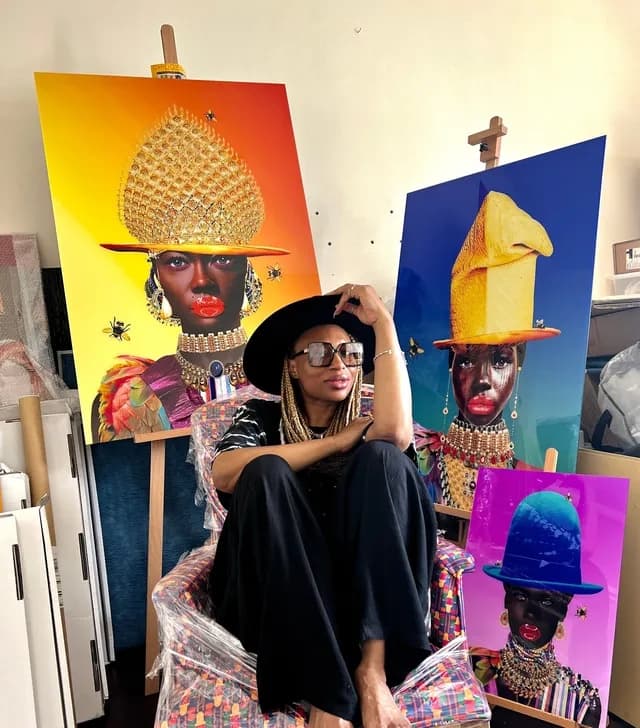
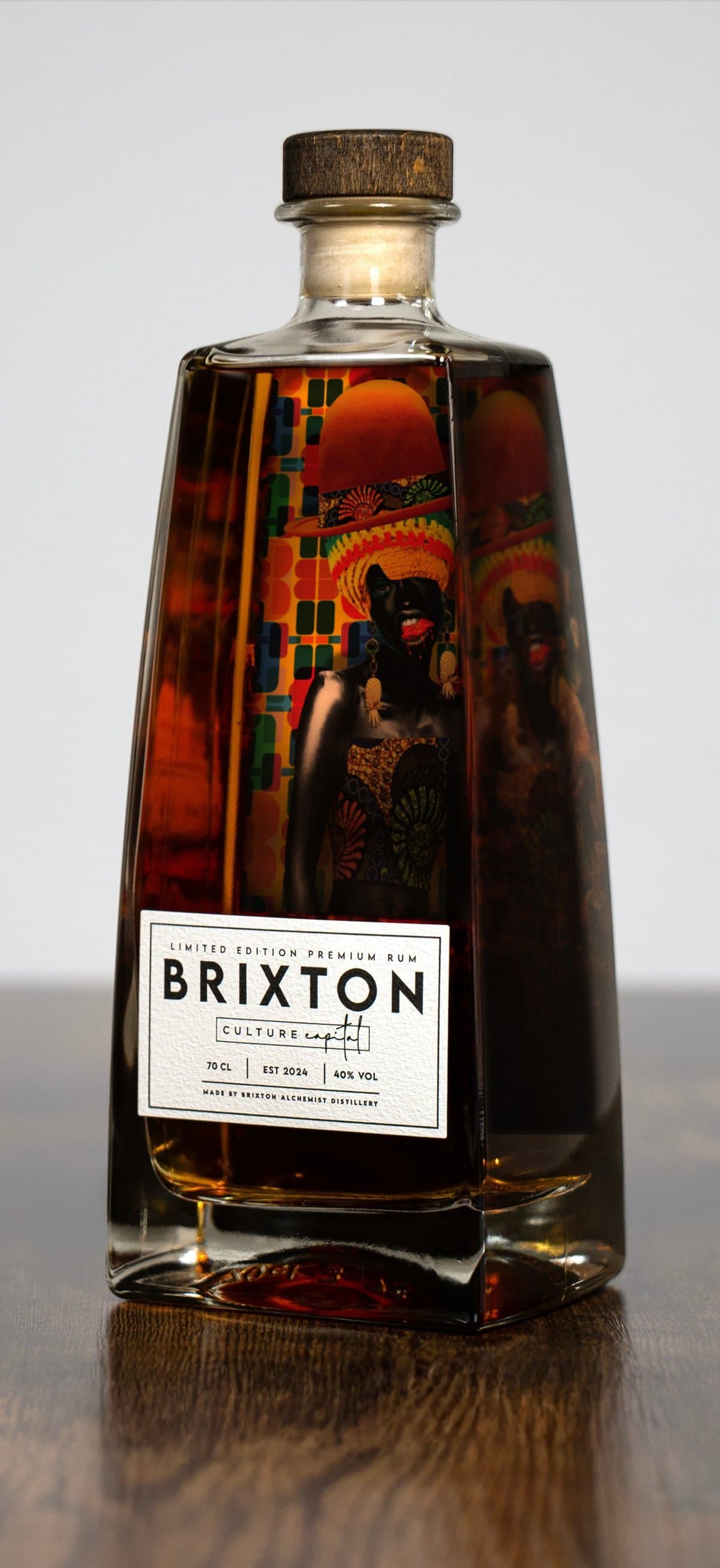
Artist Caroline Chinakwe's shop is a short walk through the market from our distillery. Together, we've made a rum shaped by her Nigerian heritage: pineapple, scotch bonnet and pimento, with her artwork on the bottle.
The first batch is 24 bottles. Launching at the bar on Friday 23 October.
Discover the Chinakwe edition →The Brixton Embassy
Bring your team into Brixton.
A working day shaped around your team's question, hosted with Brixton founders and operators. Make something together in the distillery, or study how the neighbourhood works.
Explore the Embassy →Membership
Make Friday nights a regular thing.
A members' bar inside a working distillery. Familiar faces, cocktails and room to bring friends. £18 a month or £180 a year.
Explore membership →Brixton Culture Capital Rum
Take something of Brixton home.
Our house rum and artist editions, made in Brixton Village with people from the neighbourhood.
Explore the rum →The BCC List
Know what's happening. Know who's making it happen.
The BCC List brings you the week ahead in Brixton: the openings, the people, the local decisions and the nights worth leaving home for.
One email, every Thursday.
Free. Unsubscribe whenever you like.
Latest issue · 22 October
Three Brixton cultural stories : Rum, Fashion and Community Wealth
OMG! Do we have a lineup for you this week? Three unmissable celebrations of Black and Brixton culture.
Read this week's →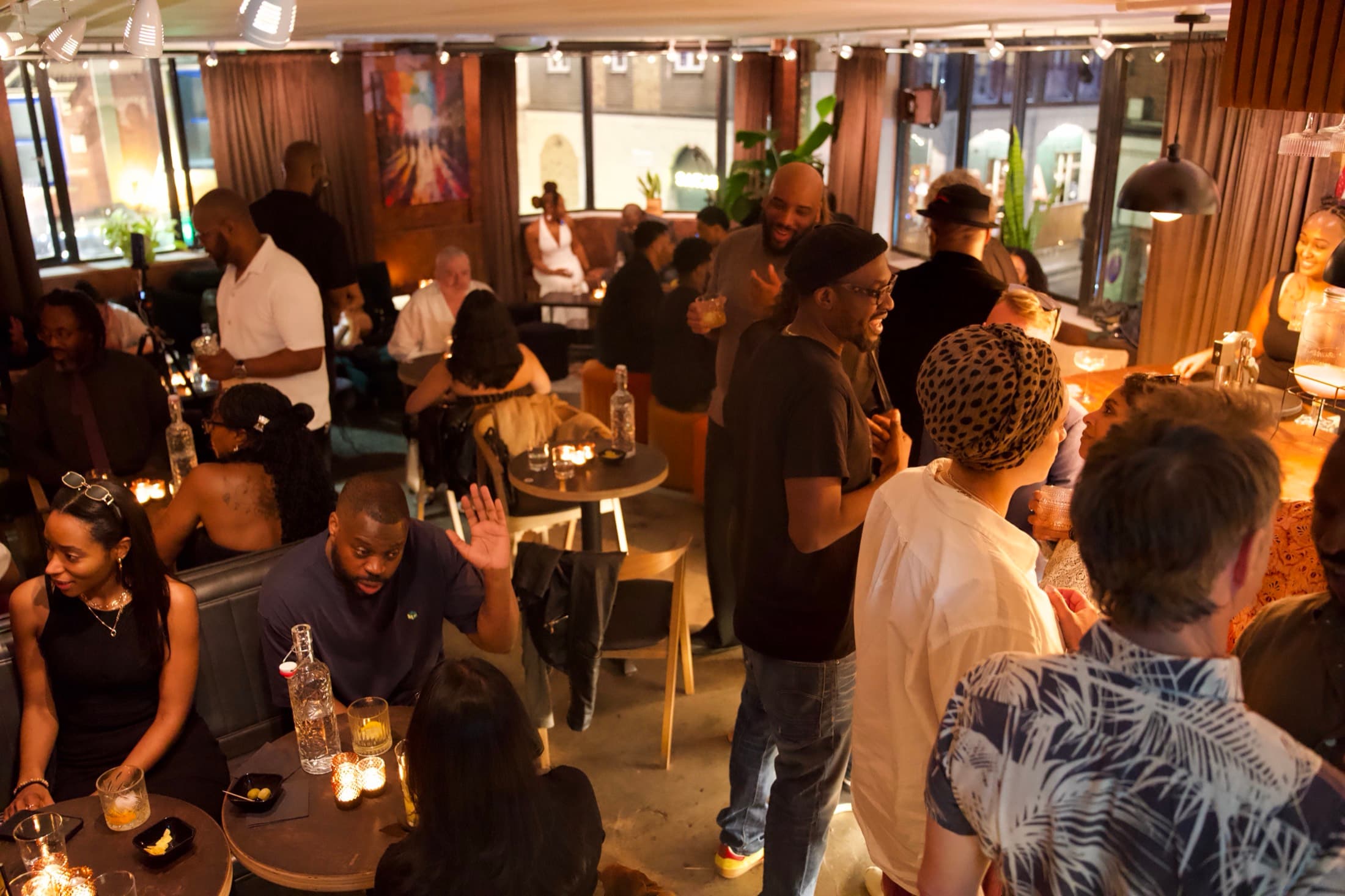
Why we're building this
Brixton is a capital of culture.
Here, culture builds capital.
Brixton creates culture that travels far beyond its streets. We're building a business that helps the people making that culture share in its value: through the stories we publish, the products we make together and the room where we meet.
Why we're building this →